Choosing the right colors for your furniture can transform your space. It's not just about aesthetics but about creating harmony in your home. Our Furniture Color Matching Guide provides essential insights to help you make informed choices.
Color affects mood and perception, so understanding how to pair furniture can dramatically enhance your living environment. You might be drawn to bold colors, yet they can sometimes overwhelm a room. Consider softer tones to balance vibrancy. This guide encourages experimentation, acknowledging that sometimes it leads to unexpected results.
While the right combinations elevate your decor, don’t shy away from reflecting on your choices. You may find that what seemed perfect didn’t quite resonate as you hoped. Each selection is a step toward understanding your taste. Use this guide to explore and refine your style, creating the home you envision.
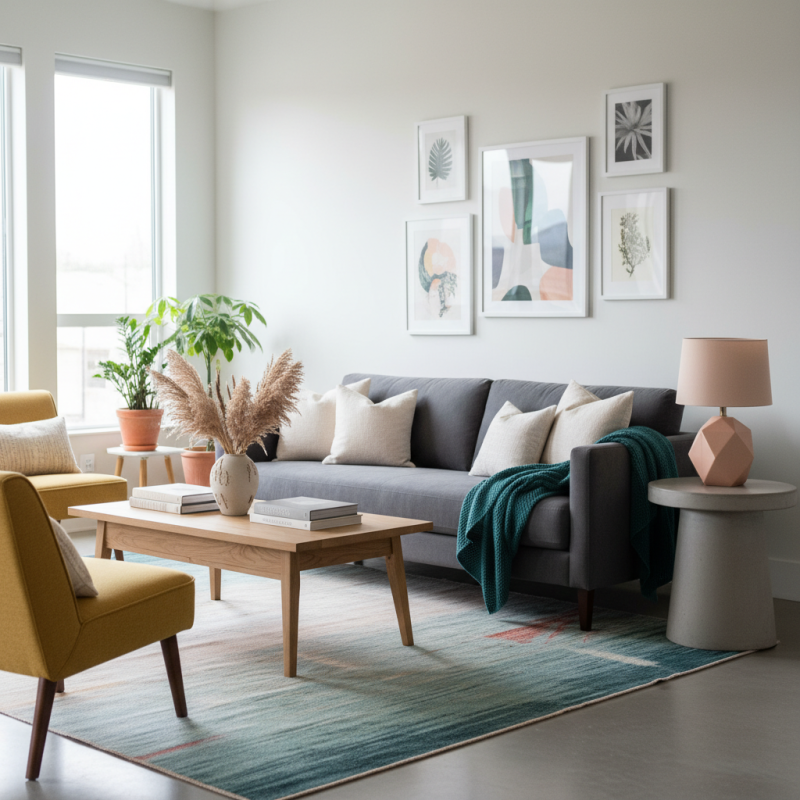
Color theory is essential in furniture selection. It helps create harmony in your living space. Understanding the basics can redefine your home’s aesthetic. According to the Color Marketing Group, color preferences significantly impact mood and perception. For instance, blues and greens invoke tranquility, while reds and yellows energize a room.
When choosing furniture, consider the color wheel. Complementary colors boost visual interest. For example, pairing soft shades with bold accents can elevate your decor. However, choosing furniture that conflicts with wall colors can lead to a jarring atmosphere. A recent survey by the Interior Design Society shows that 70% of homeowners regret mismatched color themes in their spaces.
Tips: Create a mood board with colors that inspire you. Don’t rush your decisions; experiment with different palettes. Try smaller decor items first before committing to larger furniture pieces. Reflect on your lifestyle. Does your furniture color choice accommodate pets or children? These factors can greatly influence practicality and maintenance in your home.
Choosing the perfect color palette for your home can be challenging. Understanding complementary and analogous colors is a great start. Complementary colors are opposite each other on the color wheel. They create contrast and drama. For instance, pairing blue with orange can energize a room. However, balancing these combinations is key. Overuse may lead to visual chaos.
On the other hand, analogous colors are next to each other on the color wheel. They provide harmony and tranquility. For example, using shades of blue and green can create a serene atmosphere. This approach works well in bedrooms or living spaces. Yet, finding the right depth and saturation is crucial. Too many similar tones can make a space feel dull.
Experimentation is essential. Painting swatches and testing fabrics can help visualize your ideas. Don’t be afraid to involve different textures too. This adds dimension beyond just color. Sometimes, the best combinations emerge through trial and error. Embrace imperfections in your choices. Each decision contributes to the character of your space.
Choosing the right furniture color to match your wall paint can be challenging. Start with a color palette that reflects your style. Soft neutrals like beige or gray can complement vibrant furniture hues. For instance, a deep blue sofa pairs beautifully with light gray walls. It adds depth without overwhelming the space.
Consider your decor theme as well. A rustic style calls for warm, earthy tones. Imagine a dark wood dining table against a warm cream wall. This creates a cozy, inviting atmosphere. If your space features modern elements, bold contrasts work. A sleek white chair against a stark black wall can be stunning and dynamic.
It’s important to be open to experimentation. Sometimes, colors that seem mismatched can create unique charm. An unexpected bright chair can bring life to a muted room. Don’t be afraid to mix patterns and textures. Learning what works in your space can be a process. Observing how different colors interact with light throughout the day can help refine your choices. Each decision contributes to the overall feel of your home.
Balancing bold and neutral colors in furniture design is crucial for creating harmonious spaces. According to the National Association of Home Builders, around 70% of homeowners prefer a mix of striking and subdued tones in their interiors. This trend allows for creative expression without overwhelming the senses. For instance, a deep navy couch paired with soft beige throw pillows delivers both comfort and visual intrigue.
A fundamental aspect of this color balance is understanding the psychological effects of colors. Bold hues can energize a room, while neutrals provide a calming backdrop. Research by the Interior Design Society indicates that rooms with balanced color palettes enhance overall mood and satisfaction. Think of a vibrant red chair in a room dominated by muted grays. It draws the eye without clashing. However, too many bold pieces can create chaos, which may lead to an overwhelming atmosphere that feels disorganized.
Selecting the right accent colors involves careful consideration of your space’s size and lighting. Too much bold can shrink a room visually. Similarly, neutrals can sometimes feel flat without the right accessories or artwork. Reflect on your personal style as you create your ideal environment. Finding that sweet spot between the two can elevate your home’s aesthetic significantly.
| Color Family | Suggested Bold Colors | Complementary Neutral Colors | Examples of Use |
|---|---|---|---|
| Red | Cherry Red, Burgundy | Beige, Light Gray | Accent chair amid neutral living space |
| Blue | Royal Blue, Teal | Cream, Soft White | Sofa paired with light curtains |
| Green | Emerald Green, Olive | Taupe, Sand | Accent pillows on neutral couch |
| Yellow | Mustard, Lemon Yellow | Gray, White | Chair in a white room for pop of color |
| Purple | Lavender, Deep Plum | Ivory, Beige | Accent table in a neutral toned space |
Creating a harmonious home involves more than just selecting colors; textures and patterns play crucial roles too. According to a recent industry report, integrated designs can elevate mood and increase perceived space by up to 20%. A balanced use of materials, such as pairing soft fabrics with sleek metals, can create an inviting atmosphere. Consider how a plush velvet sofa juxtaposes with a structured wooden coffee table, enhancing both elements' aesthetics.
Incorporating patterns can seem daunting. However, a layering technique called “mix and match” works wonders. Try combining geometric prints with organic motifs. A study indicated that homes with varied textures engage occupants more, promoting interaction. When selecting patterns, aim for a cohesive color palette to avoid chaos. Stripes can complement floral designs, adding depth without overwhelming the senses.
**Tip:** Don’t hesitate to experiment with unexpected combinations, even if they initially feel out of place. Balancing bold prints with neutral backgrounds lets you explore creativity while keeping a unified look. Additionally, remember that imperfect elements, like mismatched cushions, can add character. Embrace the unique aspects of your space, fostering an environment that speaks to your individuality.
: Start with a color palette that reflects your style, using soft neutrals or vibrant colors.
Light gray walls complement a deep blue sofa well, adding depth to your space.
Use warm, earthy tones with furnishings like a dark wood table against a warm cream wall.
Bold contrasts, such as a white chair against a black wall, can create a stunning effect.
Yes, experimenting with mismatched colors and patterns can create unique charm in your home.
Pair soft fabrics with sleek metals to create an inviting atmosphere and elevate aesthetics.
Aim for a cohesive color palette and consider layering geometric prints with organic motifs.
Absolutely! Unexpected combinations can foster creativity and result in a unified look when balanced.
They contribute character and individuality, making your home feel more personal and inviting.
Homes with varied textures promote interaction, enhancing the overall living experience.
The "Furniture Color Matching Guide" provides essential insights into selecting the perfect hues for your home furnishings. It begins with the fundamentals of color theory, helping readers understand how different colors interact and complement each other. The guide emphasizes the importance of choosing a color palette through complementary and analogous colors, allowing for a harmonious visual appeal.
Moreover, it offers practical advice on matching furniture colors with wall paint and decorative themes to create a cohesive atmosphere. The guide also addresses the balance between bold and neutral colors, ensuring that furniture choices enhance the overall design without overwhelming it. Lastly, incorporating textures and patterns is highlighted as a vital aspect of achieving a unified look in your home, making this guide an invaluable resource for anyone looking to elevate their interior design.

Hydra Furniture