In recent years, open space furniture has gained popularity in urban environments in China. Effective open space furniture planning is essential to create functional and inviting areas. Understanding how to integrate furniture that encourages interaction is key.
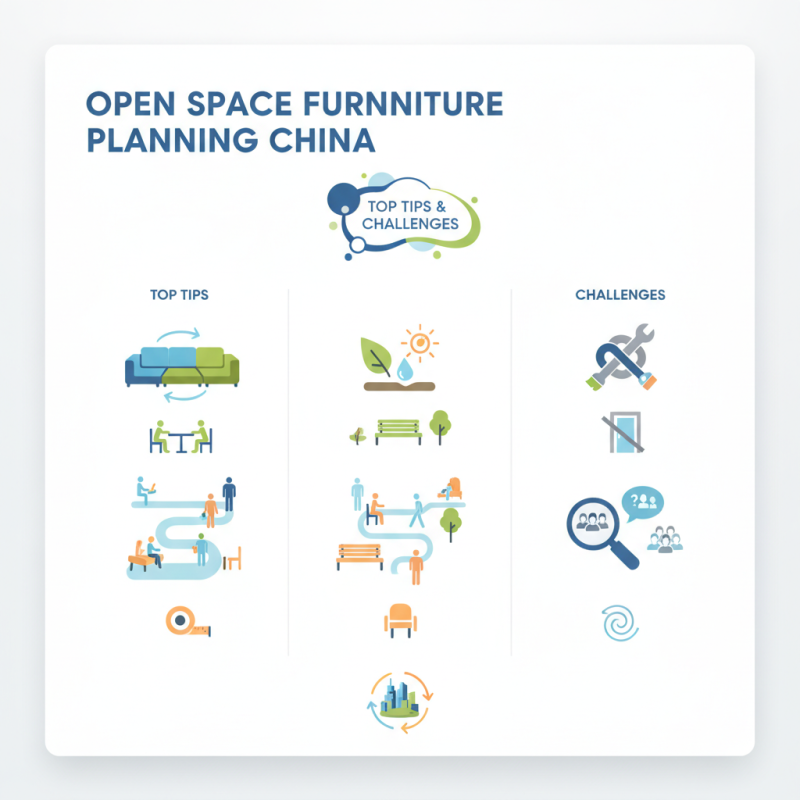
Open Space Furniture Planning Tips emphasize the need for versatility. Flexibility can help adapt spaces for various activities, fostering community engagement. The choice of materials plays a crucial role. Selecting durable, weather-resistant options can enhance longevity while maintaining aesthetic appeal. Careful consideration of layout is vital. Offer enough room for movement while ensuring comfort.
Despite these tips, challenges persist. Balancing aesthetics and practicality can be difficult. Poor placement may hinder flow and reduce usability. It's essential to reflect on what works and what doesn't. Regularly revisiting the design can lead to better outcomes. Engaging with local communities for feedback provides invaluable insights into effective planning. This collaboration may reveal unforeseen needs and desires.
Understanding the Importance of Open Space Furniture in Urban Design
Open space furniture plays a vital role in urban design, enhancing the quality of public areas. Thoughtfully selected furniture can promote social interaction, leisure, and community engagement. Bench seating, for example, invites people to rest and converse, creating a sense of belonging. Similarly, tables encourage gathering, making spaces more vibrant and inviting.
However, challenges exist. Poor placement or inappropriate design can lead to underutilized areas. Urban planners should consider local needs. Incorporating local culture into furniture design builds identity. For instance, using traditional motifs can resonate with residents.
Weather resistance is another crucial aspect. Furniture must endure various climates without deteriorating. Sustainability also comes into play. Choosing eco-friendly materials can reflect a city’s commitment to environmental health. Designs should be adaptable, allowing spaces to evolve over time.
Community feedback is vital for successful implementation. Without it, even the best designs risk failure.
Key Factors to Consider When Selecting Furniture for Open Spaces
Creating a functional and aesthetic open space in China requires careful selection of furniture. Key factors include durability, climate resilience, and cultural elements. According to a recent industry report, 65% of urban planners emphasize the importance of material selection for outdoor furniture. Local weather can fluctuate widely, making water-resistant and UV-stable materials essential for longevity.
Comfort cannot be overlooked. Ergonomically designed furniture encourages longer stays and social interactions. "Outdoor seating should have back support," says Feng Li, an expert in urban design. Integrating greenery with furniture also enhances the space's appeal. People yearn for a connection to nature, especially in bustling cities.
Consider these tips: Choose modular furniture for flexibility. It allows for easy rearrangement to accommodate different activities. In addition, include some tables that can double as workstations to cater to remote workers. Look for designs that reflect local culture—this adds a unique touch. Remember that trends evolve and space needs might change, so always remain adaptable in your furniture choices.
Top Tips for Planning Open Space Furniture in China
| Dimension |
Recommendation |
Material |
Durability |
Comfort Level |
| Outdoor Seating |
Ergonomic Design |
Weather-resistant Materials |
5+ years |
High Comfort |
| Picnic Tables |
Family Size |
Wood or Composite |
3-5 years |
Moderate Comfort |
| Lounge Chairs |
Relaxation Focused |
Aluminum & Fabric |
5+ years |
High Comfort |
| Outdoor Benches |
Social Seating |
Metal or Wood |
5+ years |
Moderate Comfort |
| Planters with Seating |
Multi-functional |
Recycled Materials |
3-7 years |
Variable Comfort |
Materials and Durability: Choosing the Right Options for Public Furniture
Selecting materials for public furniture in China is crucial. Reported data indicates that about 70% of urban spaces now prioritize durability. This shift is essential for coping with China’s rapid urbanization. The right materials ensure longevity in varying weather conditions.
Wood, metal, and recycled plastic are common choices. Each material has its pros and cons. For instance, wood provides aesthetic appeal but may deteriorate faster in humid areas. Metal can resist weather but might need regular maintenance to prevent rust. Recycled plastic, while durable, often lacks the charm of natural materials. It's beneficial to consider the long-term impact of your choices.
Furthermore, the sustainability of materials is gaining importance. A study by the China Urban Planning Society found that 60% of city planners favor eco-friendly options. Despite this, many projects still overlook the entire lifecycle of materials. Balancing design, function, and sustainability is challenging. It's vital to evaluate the trade-offs carefully and make informed decisions.
Design Trends in Open Space Furniture for Chinese Urban Areas
Open space furniture plays a crucial role in revitalizing urban areas across China. As cities grow, their public spaces need adaptable and functional designs. A recent report indicates that over 70% of urban residents favor more green areas with comfortable seating. This need has sparked significant design trends that focus on sustainability, modularity, and community engagement.
Key design trends prioritize eco-friendly materials. Designers are using recycled metals and biodegradable composites. This shift aligns with the trend of increasing awareness about environmental issues among the Chinese populace. Moreover, flexible seating arrangements, such as movable benches and modular seating, allow for dynamic uses of space, accommodating events like markets or festivals.
Tips for effective planning include considering the local climate. Furniture must withstand humidity or extreme temperatures. Collaborate with local communities to ensure the furniture meets their needs. Test prototypes in different areas to gain feedback. Engage with urban planners to align designs with city goals. Such approaches will enhance usability and foster a sense of ownership among residents, making the open spaces truly vibrant and alive.
Maintaining and Sustaining Open Space Furniture for Longevity
When planning open space furniture in China, sustaining its longevity is crucial. The selection of materials is a key factor. Using weather-resistant and durable materials like metal or treated wood can enhance lifespan. It is vital to choose finishes that withstand wear and tear from harsh climates and frequent use.
Regular maintenance is essential for keeping open space furniture in good condition. Simple tasks like cleaning the surfaces and checking for loose screws can prevent larger issues. Seasonal inspections ensure that any signs of damage are addressed promptly. Users often overlook minor scratches or stains, but these can lead to bigger problems if not managed.
Creating a routine maintenance schedule is beneficial. Consider enlisting local professionals who understand the regional climate and usage patterns. Their expertise can provide insights into preserving furniture better. Reflection on past experiences can guide your choices. Learning from previous mistakes will improve planning strategies for the future.
Conclusion
Effective open space furniture planning is crucial for enhancing urban design and creating functional public areas. Understanding the significance of open space furniture is the foundation of ensuring that these installations meet the needs of the community. When selecting furniture for open spaces, key factors such as usability, aesthetics, and integration with the environment must be considered.
Choosing the right materials for durability is essential, as public furniture should withstand various weather conditions and heavy usage. In addition, staying updated on design trends specific to Chinese urban areas can help in creating appealing and contemporary spaces. Lastly, maintaining and sustaining these installations is vital for their longevity, ensuring that they remain beneficial to the public for years to come. These insights serve as valuable Open Space Furniture Planning Tips for urban developers and designers aiming to create inviting and functional outdoor environments.

 Hydra Furniture