Creating a stylish interior often begins with thoughtful choices in furniture. Furniture for minimalist interiors plays a pivotal role in achieving an uncluttered yet inviting space. The essence of minimalism lies in simplicity, functionality, and harmony. Each piece of furniture should serve a distinct purpose without overwhelming the overall aesthetic.
Choosing the right furniture involves a deep understanding of form and function. It's important to select items that not only look good but also enhance everyday living. Neutral colors and clean lines can evoke a sense of serenity. However, striking a balance can be challenging. Oversized pieces might dominate small rooms, leading to feelings of confinement. It’s necessary to reflect on how each item contributes to the space.
Investing in high-quality minimalist furniture can transform your home. Look for pieces that blend practicality with elegance. Remember, it’s not just about aesthetics; it’s also about comfort. While striving for a minimalist look, avoid sacrificing warmth and personal touch. Thoughtful design can create inviting spaces that feel both modern and lived-in.
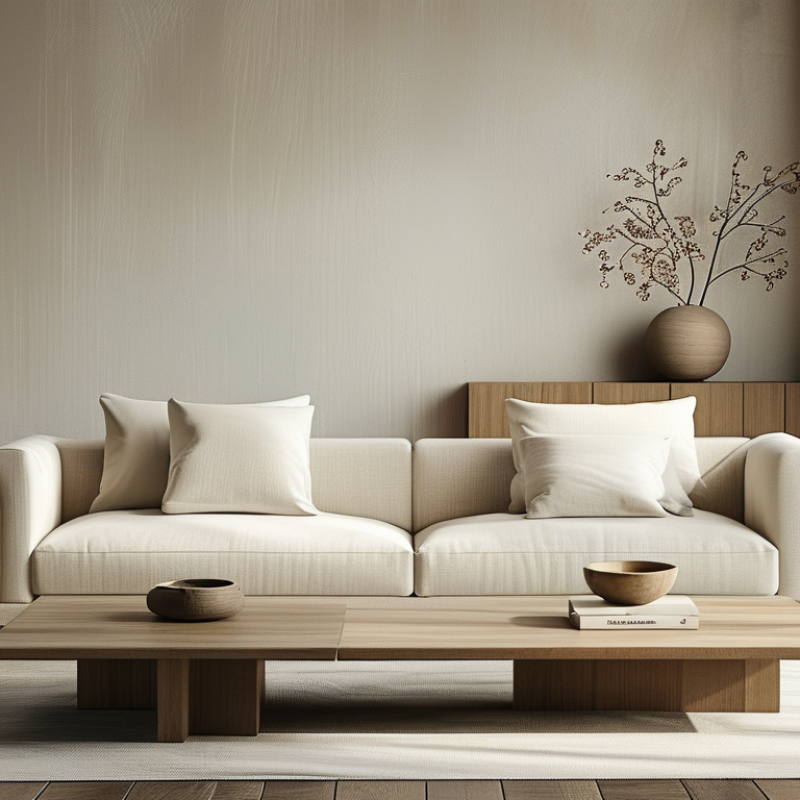
Minimalism in furniture design emphasizes simplicity and functionality. It seeks to strip away excess and focus on essential forms. This approach not only enhances aesthetics but also promotes a serene environment. Clean lines, neutral colors, and natural materials define minimalist furniture. Each piece serves a purpose without unnecessary embellishment.
Tips for achieving a minimalist look: Choose multifunctional furniture. A coffee table can also work as a storage unit. This reduces clutter and increases efficiency. Keep your palette simple. Whites, beiges, and soft grays create a cohesive feel. Bold colors can overwhelm minimal designs.
Don’t be afraid to leave space empty. An open layout can evoke tranquility. Reflect on your choices; sometimes, less truly is more. Every item should spark joy or serve a clear function. Embracing minimalism is an ongoing journey. It involves evaluating what enhances your space and what detracts from it. In the end, minimalism is about finding balance and clarity in your surroundings.
: Minimalist furniture is characterized by simplicity and functionality, featuring clean lines and avoiding unnecessary ornamentation.
Neutral color palettes, like soft whites and grays, create a serene and airy environment, enhancing the furniture's appeal.
Natural materials, like wood and metal, are popular choices for minimalist furniture due to their timeless beauty and durability.
Yes, minimalist furniture can complement various styles, including Scandinavian, industrial, and modern, creating a cohesive look.
It emphasizes simplicity and functionality, helping to reduce clutter and create an airy atmosphere, ideal for small areas.
Too little furniture may create a cold feeling, and overcrowding can disrupt the minimalist essence, making careful choices crucial.
Personal touches, like unique decor, can balance simplicity and warmth, making the environment more inviting without overwhelming it.
Some may find extreme minimalism lacks warmth, highlighting the need for a balance between simplicity and personal style.
Each piece should serve a clear purpose and resonate with your style, allowing for some imperfection to create a welcoming atmosphere.
Be mindful of emotional impact, allowing for slight imperfections in arrangements to maintain warmth and comfort in the space.
In exploring the best furniture for minimalist interiors, it's essential to understand the core principles of minimalism in furniture design, which emphasizes simplicity, functionality, and a clean aesthetic. Key characteristics of minimalist furniture include sleek lines, a restrained color palette, and multipurpose functionalities, all contributing to a clutter-free environment.
When selecting furniture for minimalist interiors, consider pieces that not only serve a purpose but also enhance the overall spaciousness of your home. Incorporating minimalist furniture into various interior styles can create harmonious spaces where elegance meets practicality. Additionally, the benefits of minimalist furniture extend to small spaces, maximizing utility while maintaining a sense of openness and tranquility, making it an ideal choice for modern living.

 Hydra Furniture