Creating a safe environment at home is crucial, especially when it comes to furniture. Furniture Safety Tips For Home Use are essential for families with children or pets. Accidents can happen in a split second. Ensuring that your furniture is secure can prevent injuries and promote peace of mind.
Consider the arrangement of your furniture. Sharp corners can pose a risk. Using corner guards can soften those edges. Moreover, heavier items should be anchored to walls. This simple step can avert tipping hazards. It’s a small change but significant in ensuring safety.
Regularly inspect your furniture for wear and tear. Over time, joints may loosen, creating instability. Replacing damaged pieces is vital. Reflect on your space; each room may require different safety measures. Keeping a keen eye on potential dangers can safeguard your loved ones. Remember, safety is not just a priority; it’s a responsibility.
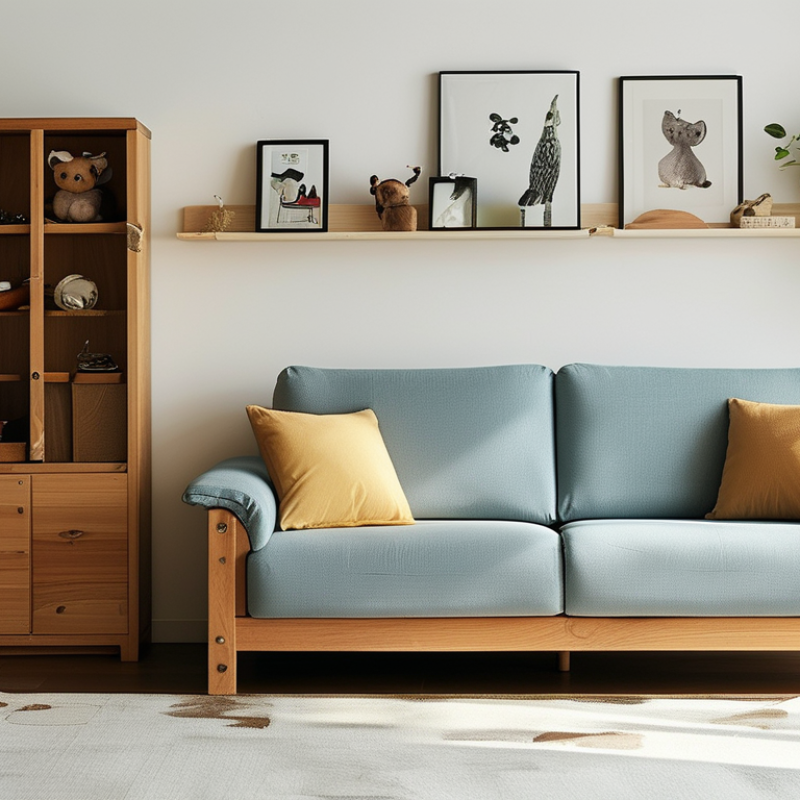
In every home, furniture safety risks often go unnoticed. Heavy items like bookshelves can tip over if not securely anchored. This can lead to serious injuries, especially for young children. Even seemingly stable furniture poses risks. Cracked tabletops or loose screws can cause accidents. It's essential to regularly inspect your furniture for signs of wear.
Here are some tips to enhance safety. Ensure all bookcases and cabinets are firmly attached to the wall. Use brackets or straps for added stability. Avoid placing heavy items on high shelves. This reduces the risk of tipping. Consider using corner guards on sharp furniture edges. This can minimize injury if a child falls against it.
Safety isn't just about what you see; it's about what you don't. Keep an eye on furniture placement to avoid overcrowding. Clutter around furniture increases the chance of accidents. Review your furniture often. Ask yourself if anything seems unsteady. Making these simple checks can create a safer living environment.
Choosing safe furniture materials is crucial for a family-friendly home. Many people overlook how materials can impact safety. Fabric choices like cotton or linen are breathable and less toxic. They are easier to clean and less prone to harbor allergens.
Wood is another strong contender. Opt for solid wood over particleboard. Particleboard can emit harmful VOCs. Look for certified wood options, which ensure responsible sourcing. Soft edges and rounded corners on furniture can also prevent injuries for little ones exploring their surroundings.
Metal furniture can be durable but may have sharp edges. Always check for safety features. Non-toxic finishes are essential. Many families trust furniture that is free from harmful chemicals. A quick inspection often reveals potential hazards. Recognizing these can create a safer living environment for everyone.
When it comes to securing heavy furniture, safety should be a top priority in every home. Heavy items, like bookcases and dressers, can easily tip over, posing serious risks, especially to children and pets. A well-secured environment can prevent accidents and give you peace of mind.
One essential tip is to anchor furniture to the wall. Use brackets and straps specifically designed for this purpose. These anchors can hold large furniture pieces in place, making it nearly impossible for them to fall over. Consider adding anti-tip kits for additional support.
Another important step is to keep heavy items on lower shelves. This lowers the center of gravity and reduces the likelihood of tipping. Additionally, regularly check the stability of your furniture. Ask yourself, does it wobble? Address any instability as soon as you find it. Remember, taking simple precautions can create a safer living space for everyone.
| Tip | Description | Recommended Action |
|---|---|---|
| Anchor Heavy Furniture | Secure tall or heavy furniture to the wall to prevent tipping. | Use anti-tip brackets or straps. |
| Avoid Overloading Shelves | Do not place too many heavy items on top shelves. | Store heavier items on lower shelves. |
| Keep Items Away from Edges | Prevent items from sitting on the edge of furniture. | Regularly check and rearrange items if necessary. |
| Childproof Your Home | Ensure children cannot easily climb or pull on furniture. | Install safety gates, locks, and corner protectors. |
| Regular Maintenance Checks | Ensure furniture remains stable and secure over time. | Inspect and tighten fasteners periodically. |
Arranging your furniture thoughtfully can significantly impact safety and functionality in your home. According to recent studies, nearly 30% of household injuries stem from trips and falls, often caused by poorly arranged furniture. To enhance safety, ensure clear walking paths between rooms. Aim for at least 36 inches of space between furniture pieces. This simple adjustment can reduce accidents.
Another tip involves securing heavy furniture, such as bookshelves and dressers. In homes with children, unanchored furniture poses a risk. Reports indicate that tipping furniture accounts for thousands of injuries annually. Using wall anchors can prevent these tragedies. It's best to keep frequently used items within easy reach. This minimizes the need to stretch or climb, which can lead to falls.
Lastly, consider the lighting around your furniture layout. Bright, well-placed lights can illuminate pathways and prevent hazards. As studies show, adequate lighting reduces the risk of accidents by 50%. While arranging furniture, reflect on how each piece interacts within the space. A thoughtful arrangement prioritizes both comfort and safety, making your home a secure haven.
Regular maintenance and inspection of your furniture are crucial for long-term safety. Check for loose screws, wobbly legs, or damaged components. Even minor issues can lead to accidents. Tightening screws is a simple fix that can enhance stability. Regularly inspect items like bookshelves and cabinets. Ensure they are securely anchored to the wall. Heavy items should always be placed on lower shelves to prevent tipping.
Besides inspections, cleaning furniture is essential for safety. Dust and dirt can create slippery surfaces. Use a damp cloth for a thorough clean. Pay attention to the materials used. Some may wear down faster and require replacement or repair. Look for signs of wear, such as frayed edges or scratches. Reflect on past experiences where neglect led to accidents. These moments serve as reminders to stay vigilant and proactive in maintaining your home.
: It prevents accidents and injuries, especially for children and pets. Safety is crucial in every home.
Use brackets and straps designed for anchoring. This keeps furniture in place, reducing tipping risks.
Always keep heavy items on lower shelves. This lowers the center of gravity and enhances stability.
Regular checks are vital. If a piece wobbles, address the instability immediately to prevent accidents.
Create clear walking paths. Aim for 36 inches between furniture pieces to reduce the risk of trips and falls.
Adequate lighting can lower accident risks by 50%. Ensure bright lights illuminate pathways for safety.
No, keep them within easy reach. This reduces the need to stretch or climb, preventing potential spills or falls.
Yes, anchoring furniture is vital. Pets can accidentally knock over unsecured furniture.
Don't ignore it. Take immediate steps to secure it to ensure everyone's safety.
Absolutely. Thoughtful arrangement promotes comfort. Reflect on how each piece interacts in your home.
When it comes to ensuring a safe environment for your family, understanding and implementing Furniture Safety Tips For Home Use is crucial. Start by recognizing the potential safety risks associated with your furniture, as some materials can pose health hazards or may be susceptible to damage. Opt for safe furniture materials that do not emit harmful chemicals, ensuring a healthier living space for your family.
Additionally, securely anchoring heavy furniture to the wall can prevent dangerous tip-overs, particularly in homes with young children. Thoughtful arrangement of furniture enhances both safety and functionality, allowing for clear pathways and reducing the risk of accidents. Regularly maintaining and inspecting your furniture will also contribute to long-term safety, helping to identify any issues before they become serious hazards. By integrating these furniture safety tips, you can create a secure and inviting home for everyone.

Hydra Furniture