In today's world, making sustainable choices is more important than ever. The demand for eco-friendly furniture has surged as consumers seek to reduce their environmental impact. Our Eco Friendly Furniture Materials Guide offers valuable insights into materials that not only enhance your home but also prioritize the planet's health.
Selecting the right furniture goes beyond aesthetics. It is essential to consider how materials are sourced and their life cycle. From reclaimed wood to bamboo, each option holds unique benefits. Sustainable choices can sometimes be costly, but they offer long-term gains. Choosing eco-friendly furniture contributes to healthier indoor air quality and promotes responsible production practices.
Understanding eco-friendly materials is not just about the present; it’s about future generations. Awareness of the impact of furniture on the environment is crucial. As consumers, we have the power to influence manufacturing standards. This guide will help you navigate your choices more responsibly, even if it means questioning popular trends. Remember, every small change can lead to a significant difference.
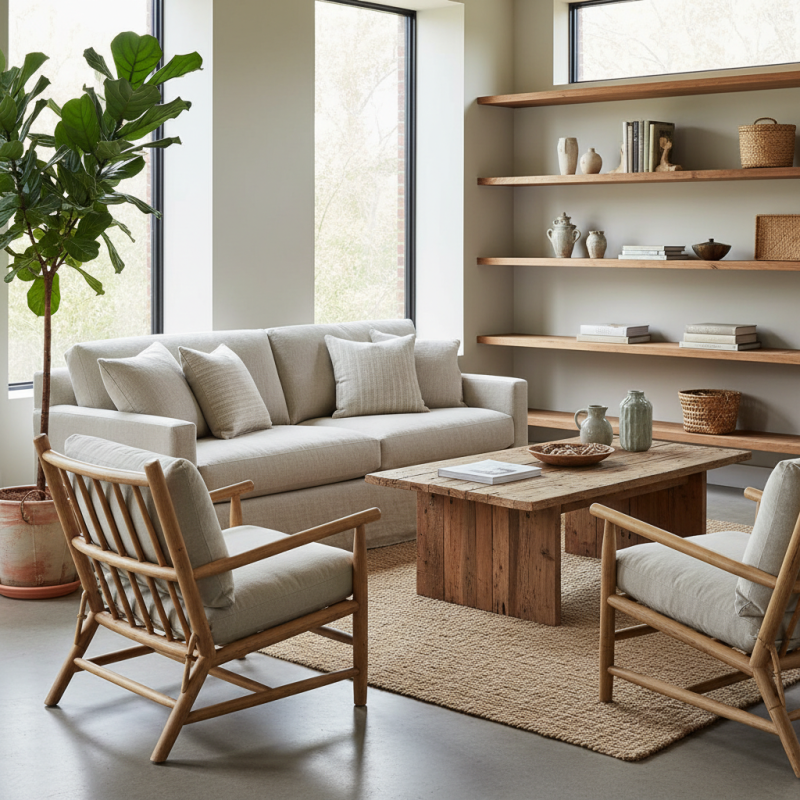
Understanding Eco-Friendly Furniture: A Comprehensive Overview
Eco-friendly furniture has gained popularity due to its environmental benefits. Choosing sustainable materials can reduce your carbon footprint. Natural materials, like bamboo and reclaimed wood, are popular. They are durable and have a unique charm. Bamboo grows rapidly and needs less water, making it an excellent choice for eco-conscious consumers.
Recycled materials also play a crucial role in sustainable furniture. Metals and plastics can be repurposed into new pieces, minimizing waste. This process requires less energy compared to creating new materials. While these options sound great, not all recycled products are high quality. Always check for certifications to ensure reliability.
Design plays a significant role in eco-friendly furniture. Minimalistic styles often use fewer materials, which can lower environmental impact. However, aesthetics should not compromise functionality. Finding a balance is key. Consider how the furniture will fit into your lifestyle and space. This conscious approach makes each piece a thoughtful addition to your home.
Key Characteristics of Sustainable Furniture Materials
When selecting eco-friendly furniture, consider the key characteristics of sustainable materials.
Bamboo is a popular choice. It grows rapidly and requires minimal resources. Reports indicate bamboo can reach full maturity in just three to five years. This rapid growth cycle makes bamboo a renewable resource that supports sustainable practices.
Reclaimed wood is another material worth exploring. It repurposes old timber, reducing the demand for new logging. According to the Forest Stewardship Council, reclaimed wood can lower the carbon footprint significantly.
However, sourcing reclaimed wood can be inconsistent, and quality varies widely. Consumers should verify the source and treatment of this material.
Natural fibers also play a vital role in creating sustainable furniture. Materials like jute, hemp, and organic cotton are biodegradable.
These fibers typically require fewer pesticides and fertilizers.
However, not all natural fibers are equal. Some may still involve harmful chemicals during processing.
It is essential to seek transparency from manufacturers regarding their practices.
Top 10 Eco-Friendly Furniture Materials and Their Benefits
When it comes to eco-friendly furniture, materials play a crucial role. Choosing sustainable options benefits both the planet and your home. One widely favored option is bamboo. It grows quickly and offers strength similar to hardwood. According to the World Wildlife Fund, bamboo can absorb up to 35% more carbon dioxide than trees, making it a top choice.
Recycled wood is another excellent material. It prevents trees from being cut down and reduces waste. A report by the Environmental Protection Agency shows that reusing wood can save 1.1 billion pounds of CO2 emissions annually. By opting for reclaimed wood, you not only reduce environmental impact but also add unique character to your furniture.
**Tip:** Always check for certifications when purchasing materials. Look for labels indicating sustainability or low emissions. Knowledge of sourcing practices can guide better choices.
Cork is an underrated eco-friendly material too. It is harvested without harming the tree, allowing it to regenerate. In fact, each cork oak tree can live for up to 200 years. This material is also naturally resistant to mold and mildew, contributing to healthier indoor air quality.
**Tip:** Try to purchase furniture designed for longevity. High-quality, well-crafted pieces may cost more upfront but save money in the long run. Consider the lifecycle of materials before making decisions.
Top 10 Eco-Friendly Furniture Materials and Their Benefits
Considerations for Choosing Eco-Friendly Furniture for Your Home
When choosing eco-friendly furniture, consider the materials carefully. Look for sustainably sourced wood, like bamboo or reclaimed timber. These options have less environmental impact. Recycled materials are also great alternatives. They give new life to old products. This not only reduces waste but can also add unique character to your home.
It’s essential to think about the manufacturing process. Some materials may be eco-friendly, but the production methods can lessen their value. Look for furniture made with minimal harmful chemicals. Low-VOC finishes and natural fibers like cotton can be healthier choices.
Don’t forget about durability. Eco-friendly furniture should last. Poor quality can lead to increased waste over time. Investing in well-crafted pieces means they stay in your home longer. Yet, it’s easy to get swayed by trendy designs. Remember, trends may not always align with sustainability. Balancing aesthetics and eco-friendliness is key.
Maintenance Tips for Long-Lasting Eco-Friendly Furniture
When investing in eco-friendly furniture, maintenance is key to ensuring its longevity. Regular cleaning is essential. Use a soft, damp cloth to wipe surfaces. This simple action helps prevent dust and dirt buildup. Avoid harsh chemicals, as they can damage natural materials. Instead, choose eco-friendly cleaners that are safe for both your furniture and the environment.
Consider the humidity levels in your home. Wood furniture can warp if exposed to extreme moisture or dryness. Use a humidifier in dry seasons, and avoid placing furniture near heat sources. This balance is crucial for maintaining the integrity of your pieces. It’s also recommended to periodically inspect joints and fittings. Loose screws can undermine stability, leading to costly repairs.
Finally, be mindful of scratches and dents. Small imperfections can affect the overall aesthetic of your furniture. Use coasters to protect surfaces from heat and moisture. If damage occurs, sand and refinish the affected area. Repairs can sometimes feel daunting, but they are necessary to prolong the life of your eco-friendly investments. Each small effort contributes to sustainability and reduces waste.
FAQS
: Bamboo and reclaimed wood are popular choices. They have less environmental impact and support sustainability.
Bamboo grows rapidly and matures in three to five years. This quick growth supports renewable resource practices.
Reclaimed wood is old timber repurposed for new furniture. It helps lower demand for new logging and reduces carbon footprint.
Yes, sourcing can be inconsistent. Quality varies widely, so it's crucial to verify the source and treatment.
Jute, hemp, and organic cotton are great options. They are biodegradable and usually require fewer pesticides.
Not necessarily. Some natural fibers may still use harmful chemicals during processing. Transparency from manufacturers is important.
Look for sustainably sourced materials and minimal use of harmful chemicals in the manufacturing process.
Durable furniture lasts longer, reducing waste over time. Investing in quality pieces is crucial for sustainability.
Yes, trends often focus on aesthetics. However, they may not always align with sustainable practices. Balance is needed.
Low-VOC finishes are healthier options. Aim for natural fibers to enhance eco-friendliness in furniture choices.
Conclusion
The "Eco Friendly Furniture Materials Guide" provides a comprehensive overview of sustainable furniture, emphasizing the importance of environmentally responsible choices in home decor. It outlines the key characteristics that define sustainable materials, such as renewability, recyclability, and low emissions during production. The guide highlights the top ten eco-friendly materials available, detailing their individual benefits, which not only enhance aesthetic appeal but also contribute positively to the environment.
Furthermore, the guide offers valuable considerations for consumers when selecting eco-friendly furniture, including factors like durability, comfort, and maintenance requirements. To ensure longevity, it also presents practical maintenance tips for caring for eco-friendly furniture, promoting a sustainable lifestyle while enriching home spaces. Overall, this guide serves as an essential resource for those looking to make informed, sustainable choices in their furniture selections.

 Hydra Furniture