Top 10 Tips for Choosing the Right Table Size for Your Space?

Time:2026-03-20 Author:Charlotte
0%

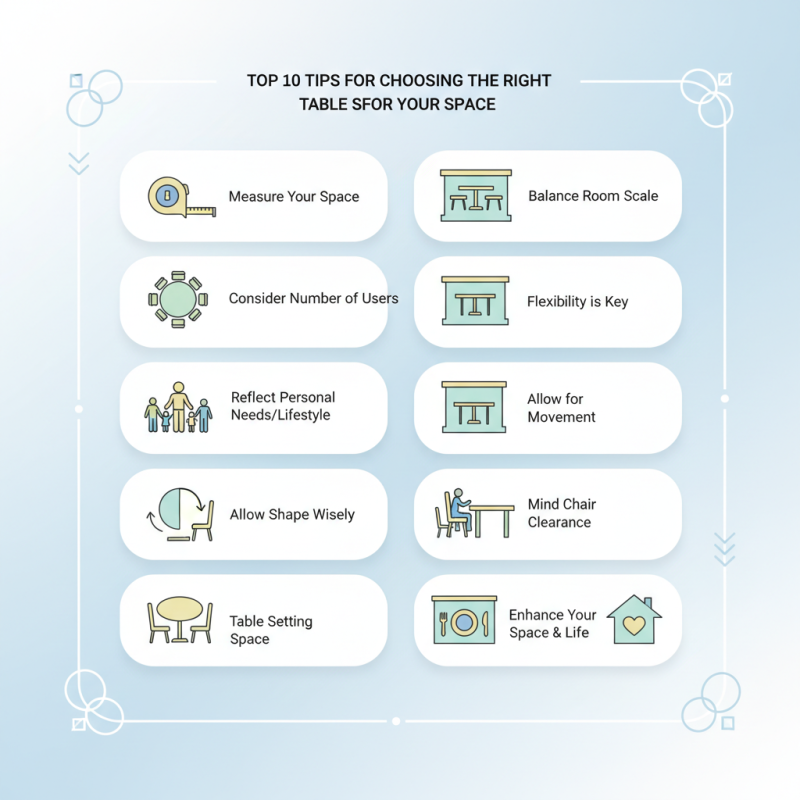
Choosing the right table size for your space can significantly impact both functionality and aesthetics. According to a recent study by the National Furniture Association, nearly 70% of homeowners express dissatisfaction with their chosen table size. This highlights the importance of understanding "How To Choose The Right Table Size." Expert designer Laura Hart emphasizes, "A well-sized table brings harmony to the room."

When selecting a table, consider the available space and the number of users. A large table in a small room can feel cramped. Conversely, a tiny table in a spacious dining area can appear lost. Dimensions should balance the room's scale while allowing for comfortable movement around the table.

It’s essential to reflect on personal needs and lifestyle. A family of five will require more seating than a couple who entertains occasionally. Thus, flexibility is key. Ultimately, the right table size enhances your space and suits your life, but it deserves thoughtful consideration.
Top 10 Tips for Choosing the Right Table Size for Your Space?

Understanding the Dimensions of Your Available Space

When choosing a table size, understanding the dimensions of your available space is crucial. Begin by measuring the area where you plan to place the table. Consider not just the floor space, but also the height of your room. High ceilings open up possibilities for larger tables. Low ceilings may require more modest options.

After measuring, think about your needs. Do you host large gatherings, or is your space often just for two? A smaller table can feel cozy, but it may limit functionality. While it can fit snugly in a tight area, it might not accommodate guests comfortably. Reflect on how you use your space daily. You might realize your initial size preference is impractical. Keep pathways clear. You don’t want to squeeze past your table like it’s an obstacle course.

Ultimately, remember that perfect dimensions don’t exist. A table might seem like the ideal size until you attempt to use it. Be prepared to adjust your expectations. Consider using a cardboard cutout to visualize the table in your room. This tactile exercise can illuminate size issues you hadn’t considered before. Space can be a tricky puzzle.

Table Size Selection for Different Room Dimensions

Choosing the right table size for your space is crucial for functionality and aesthetics. The following chart illustrates the ideal table sizes based on different room dimensions (in square feet).

Assessing the Functionality Requirements for Your Table

When choosing a table, functionality is key. Think about how you will use the table. Will it host family dinners or serve as a workspace? Understanding your needs helps narrow down the options. A large dining table is vital for gatherings. In contrast, a small table works well in tight spaces.

Consider the activities around the table. If you enjoy crafts or projects, a wider surface is necessary. For quick meals, a smaller, circular table may suffice. It's essential to visualize how your table will fit into your routine. Reflect on the daily use. A sturdy surface and enough space for belongings matter.

Here’s a tip: measure your available space before shopping. This prevents awkward purchases. Another suggestion is to test out different sizes in showrooms. Sit at various tables to see what feels comfortable. Lastly, think about future needs. Will your family grow or change? Planning helps you choose wisely.

Considering the Table Shape and Style for Your Room

Choosing the right table shape and style for your room is crucial. According to a report from the National Association of Home Builders, approximately 68% of homeowners prioritize dining space functionality. This means understanding how a table fits not just in size but also in aesthetics is vital.

When selecting a table shape, consider the layout of your space. Round tables promote conversation. They offer a cozy feel. In contrast, rectangular tables are great for larger gatherings. They can make a space feel more formal. Also, pay attention to the table's materials. Wood adds warmth, while glass can create an airy illusion.

Tip: Think about the table height. Standard dining tables are typically 28-30 inches high. However, counter-height tables can add an interesting twist. You might find that a diverse height creates a unique atmosphere. Take your time exploring different shapes and styles. Reflect on how they align with your existing décor. Not every choice will fit perfectly, and that’s okay. Embrace the opportunity to experiment and find what truly complements your space.

Evaluating Seating Capacity and Comfort Needs

When selecting a table size, evaluating seating capacity is crucial. Start by determining how many people you typically host. A small gathering might need a compact table, while larger events demand more space. Think about your space too. A large table in a small room can make the environment feel cramped and uncomfortable.

Comfort should also be a priority. Think about the dining experience. Are your guests going to feel squished? A table that is too narrow can limit movement. Ideally, allow at least 24 inches per person. This spacing ensures that diners can enjoy their meal without feeling restricted. Consider the type of chairs you use. Some may be bulkier, taking up more room.

Finding the perfect size is often a trial and error process. You may find that a table feels too small for your needs after a few gatherings. Or, you might realize that your chosen table overshadows your space. Take time to visualize how various sizes interact with your room. Experiment with different arrangements before committing to a final choice.

Exploring Material Options for Durability and Aesthetics

When selecting a table, the material greatly impacts both durability and aesthetics. You might consider wood, metal, or glass. Each material has its unique charm and personality.

Choose wood for warmth and timelessness. It adds a cozy feel to any space. However, wood can scratch and dent. You need to maintain it regularly. Metal tables offer industrial style. They are sturdy and often easier to clean. But they might not fit every decor.

Glass tables are sleek and elegant. They maximize light and can make a room feel larger. Yet, they can be fragile. A simple bump can chip or shatter them.

Tip: Think about your lifestyle. If you have kids or pets, durability is a must. Pick a material that aligns with your daily life. Consider your style preferences too. Will the table complement your existing decor? Finding the right balance is essential.

Top 10 Tips for Choosing the Right Table Size for Your Space

Tip Recommendation Material Options Durability Aesthetics
1. Assess Your Space Measure before buying Wood, Metal, Glass High with solid wood Warm and inviting
2. Consider Purpose Dining or Multipurpose Composite, Veneer Medium durability Stylish but less robust
3. Set a Budget Decide before shopping Plastic, Laminate Low to medium Functional but plain
4. Think About Shape Round vs. Rectangular Wood, Glass Varies Shapes can enhance space
5. Allow for Movement Leave space around Metal, Wood High if well-kept Adds elegance
6. Evaluate Seating Match table with chairs Wood, Upholstered High for solid options Comfort vs. style
7. Account for Guests Extra space for gatherings Expandable tables Durability varies Versatile designs
8. Check Maintenance Consider cleaning efforts Laminate, Sealed wood Easy to maintain Mixed appearances
9. Prioritize Comfort Choose ergonomic options Soft top materials Varies with design Appealing aesthetics
10. Style Integration Match décor elements Mixed materials Dependable Creates harmony

FAQS

: How do I measure the space for a new table?

: Measure the floor area and consider the ceiling height. High ceilings allow for larger tables.

What size table should I choose for my gatherings?

Think about how many people you host regularly. A large table is great for gatherings, while a small one suits cozy meals.

Why is functionality important when choosing a table?

Understanding how you use the table helps narrow your options. Consider daily activities and space needed for them.

What if my initial size preference feels impractical?

Reflect on your daily use. Sometimes, a smaller table can feel cozy but limits functionality.

How can I visualize the table size in my room?

Use a cardboard cutout to represent the table. This helps identify if the size works well in your space.

What shape of table is best for my room layout?

Round tables encourage conversation, while rectangular tables are ideal for larger gatherings.

Should I consider future needs when buying a table?

Yes, think about potential family changes. Planning ahead can help you make a wiser choice.

What materials should I consider for my table?

Wood offers warmth, while glass can create a light and airy feel. Choose what complements your space.

How tall should my dining table be?

Standard height ranges from 28 to 30 inches. Counter-height tables offer an interesting twist for your room.

Is it important to test tables in showrooms?

Definitely! Sitting at different tables helps determine comfort and functionality for your needs.

Conclusion

Choosing the right table size for your space requires careful consideration of several key factors. First, it's essential to understand the dimensions of your available area, ensuring that the table will fit comfortably without overcrowding the room. Next, assess the functionality requirements for your table—will it be used for dining, working, or entertaining? This determines not only the size but also the shape and style that will best match your decor.

Another critical aspect is evaluating seating capacity and comfort needs. Make sure there is adequate room for guests to sit comfortably and move around. Additionally, exploring material options can enhance the table's durability and aesthetics, providing both beauty and longevity. By following these guidelines on how to choose the right table size, you can create a harmonious and functional space that meets your specific needs.

Charlotte

Charlotte

Charlotte is a seasoned marketing professional with a deep understanding of the company's portfolio and a passion for elevating its presence in the market. With a keen eye for detail and a commitment to excellence, she ensures that our professional blog is regularly updated with insightful articles......