When it comes to selecting the right table material, global buyers face many choices. The "Table Material Comparison Guide" aims to simplify this process. Understanding materials like wood, metal, and glass is crucial for making informed decisions. Each material possesses unique qualities that cater to different needs and styles.
A thoughtful comparison can illuminate the pros and cons of various table materials. For instance, solid wood offers durability and timeless beauty but requires maintenance. Metal tables provide contemporary aesthetics but may lack warmth. Glass can create an illusion of space, yet it is prone to scratches. Assessing these factors is essential for a satisfactory purchase.
Learning about table materials can be challenging. With so many options, it's easy to feel overwhelmed. This guide offers insights based on industry experience and expertise. By aiming for clarity, we hope to empower buyers to reflect on what matters most to them. Ultimately, making a well-informed choice leads to a better buying experience.
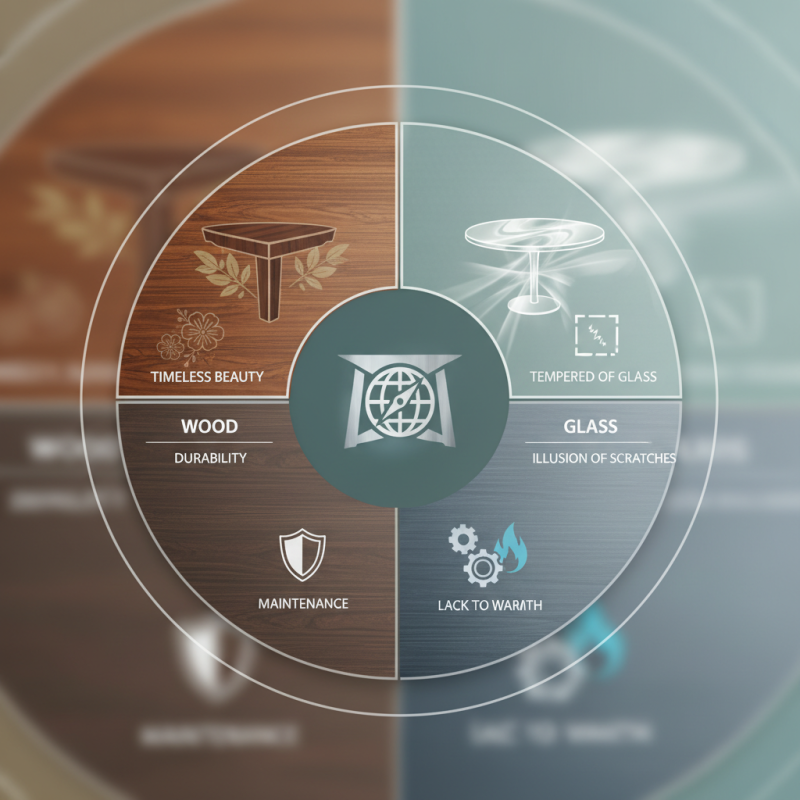
Overview of Table Materials Commonly Used in China
When considering table materials in China, several options stand out. Solid wood is a traditional favorite due to its durability and aesthetic appeal. Reports suggest that wood flooring has seen a demand increase of 4.5% annually. This rise reflects a preference for sustainable materials that blend appearance with functionality. Additionally, glass tables offer a modern touch and are gaining popularity. Their sleek design can create a sense of space in smaller areas, making them a common choice among urban dwellers.
A mix of materials is sometimes preferred. For example, iron frames with wooden tops can bring together strength and beauty. However, this combination may not be as sturdy as solid wood alone. A key consideration is the maintenance aspect; glass surfaces require regular cleaning to avoid smudges.
**Tips:** Always check the source of your materials. Opt for certifications that ensure sustainability and quality. Understanding the properties of each material can prevent costly mistakes in the long run. Consider how everyday use affects the longevity of your chosen table. Choosing a less durable material may lead to disappointment over time.
China Best Table Material Comparison Guide for Global Buyers
| Material |
Durability |
Cost (per sq.ft) |
Weight |
Maintenance |
Aesthetic Appeal |
| Wood |
High |
$15 |
Medium |
Moderate |
High |
| Metal |
Very High |
$25 |
Heavy |
Low |
Moderate |
| Glass |
Medium |
$30 |
Light |
High |
High |
| Plastic |
Low |
$5 |
Very Light |
Very Low |
Low |
| Composite |
Medium |
$20 |
Medium |
Moderate |
Moderate |
Comparative Analysis of Wood, Metal, and Glass Table Materials
When considering table materials, wood, metal, and glass each offer distinct benefits and challenges.
Wood is traditionally warm and inviting. It brings natural beauty to any space. However, it can warp in humidity and requires regular maintenance.
According to a recent report by the American Furniture Manufacturers Association, over 60% of consumers prefer wood for its aesthetic value but are often unaware of its upkeep needs.
Metal tables offer durability and a modern appeal. They are resistant to wear and tear, making them ideal for high-traffic areas. However, buyers should consider potential rusting or scratching, especially in outdoor settings.
The International Furniture Market Association notes that metal tables are on the rise, with a 30% increase in popularity in urban homes.
Glass tables provide a sleek, contemporary look. They create an illusion of space, making them suitable for smaller areas. Unfortunately, they can be prone to chipping and fingerprints.
A report by the European Table Design Council indicates a 15% decline in glass table sales due to concerns over fragility.
Tips: Choose wood if warmth is your priority. Go for metal if you need ruggedness. Select glass for a chic, open feel. Always weigh aesthetics against practicality.
Durability and Maintenance Considerations for Table Materials
When choosing table materials, durability is key. Different materials have varying lifespans.
Wood can last decades with proper care. However, it may warp or scratch without protection.
Metal, on the other hand, tends to be more robust but can rust if not treated properly. Considering the environment where the table will be used is essential.
Maintenance is another crucial factor. Wood tables need regular polishing and careful cleaning to maintain their appearance. This can be time-consuming.
In contrast, metal or glass surfaces often require less effort. A quick wipe is usually enough. Yet, glass can chip or crack easily.
It's important to weigh these factors against personal preferences and lifestyle.
Reflecting on these aspects can be tricky. What works for one household might not suit another. Some might prefer the warm look of wood, while others appreciate metal's sleek design.
Each choice comes with its own set of challenges. Making the right decision involves understanding both the material and your own usage patterns.
Cost Considerations and Value for Money in Table Material Choices
When considering table materials, cost plays a crucial role. The choice between wood, metal, and glass can dramatically affect your budget. Wood is often perceived as a classic option. However, quality wood can be costly and may require maintenance over time. Metal tables offer durability but can also be on the expensive side, especially if you desire a stylish finish. Glass tables, while elegant, can be fragile and may not be suitable for high-traffic areas.
Value for money is not just about the initial price. It's essential to think about longevity and maintenance costs. Some materials may seem affordable upfront but can lead to more expenses later. For instance, a cheap wood table may warp or scratch easily. On the other hand, a more expensive metal option may provide better value in the long run if it withstands wear and tear. Reflecting on maintenance is vital. Choosing a material that aligns with your lifestyle can avoid future headaches.
China Best Table Material Comparison: Cost and Value for Money
Trends in Table Material Preferences Among Global Buyers
In recent years, global buyers have shown shifting preferences for table materials. Sustainable options like bamboo and reclaimed wood have gained popularity. Buyers appreciate these choices not only for aesthetics but also for their lower environmental impact. The growing awareness of sustainability drives this trend forward.
Metal tables also remain a strong contender. Stainless steel and aluminum tables are valued for their
durability and
modern look. They can withstand wear and tear, making them ideal for busy households or commercial spaces. Still, some find metal less cozy than wood alternatives. It raises questions about
comfort and warmth in interior design.
Tips: When selecting table materials, consider the overall style of your space. A blend of materials might create a unique look. Think about how the table will be used.
Functionality matters just as much as appearance. Ensure the material can handle your lifestyle needs. These factors can significantly influence your buying choice.
FAQS
: Solid wood, glass, and a mix of materials are popular choices.
Solid wood is durable and aesthetically appealing, lasting for decades with proper care.
Glass tables can easily chip or crack, requiring careful handling.
Wood needs regular polishing; metal and glass require less effort, often just a quick wipe.
Knowing the properties can prevent costly mistakes and ensure longevity.
No, different materials have varying lifespans; wood may warp, while metal can rust.
The usage environment should influence the decision, as some materials suit different settings better.
Not necessarily; mixed materials may lack the sturdiness of solid wood alone.
Personal preferences vary, making it hard to find the right fit for every household.
Yes, choosing less durable options may lead to disappointment over time.
Conclusion
The "Table Material Comparison Guide" provides a comprehensive overview of the various table materials commonly used in China, including wood, metal, and glass. Each material is analyzed for its advantages and disadvantages, helping global buyers make informed decisions. The guide also discusses crucial factors such as durability and maintenance requirements, ensuring that buyers understand the long-term implications of their material choices.
Cost considerations and value for money are critical elements addressed in the guide, enabling buyers to weigh their options effectively. Additionally, the trends in table material preferences among global buyers highlight shifts in consumer demand, showcasing a growing inclination towards sustainable and aesthetically pleasing materials. Overall, this guide serves as an essential resource for anyone looking to navigate the diverse table material landscape effectively.

 Hydra Furniture