Choosing furniture by appearance alone can create avoidable safety problems. A tall bookcase may look solid, yet wobble when its upper shelves hold heavy books. A dining chair may feel strong in a showroom, but repeated movement can expose weak joints. The Furniture Weight And Stability Guide explains how to assess these risks before purchase, assembly, or daily use.
This guide focuses on seven practical tips. They cover weight ratings, frame materials, base width, center of gravity, joint quality, floor conditions, and anchoring options. Check the manufacturer’s load information carefully. Do not treat a suggested capacity as an invitation to exceed it. Measure the furniture, doorway, room, and intended floor area. A cabinet placed on uneven tiles can become unstable, even when its construction is sound.
Small details matter.
Look for thick legs, secure fasteners, balanced shelves, and firm contact with the floor. Pay attention to rocking, split wood, loose screws, and doors that shift out of alignment. These signs may indicate deeper structural weakness. Still, no guide can replace professional inspection when furniture is damaged, unusually tall, or used in a public setting. That limitation deserves attention.
Real-world use is rarely perfect. People move items, children climb, floors settle, and storage habits change. Therefore, stability should be reviewed periodically rather than assumed permanently. The following tips provide practical direction, but careful judgment remains essential. A reliable decision combines product specifications, physical inspection, correct assembly, and sensible loading.
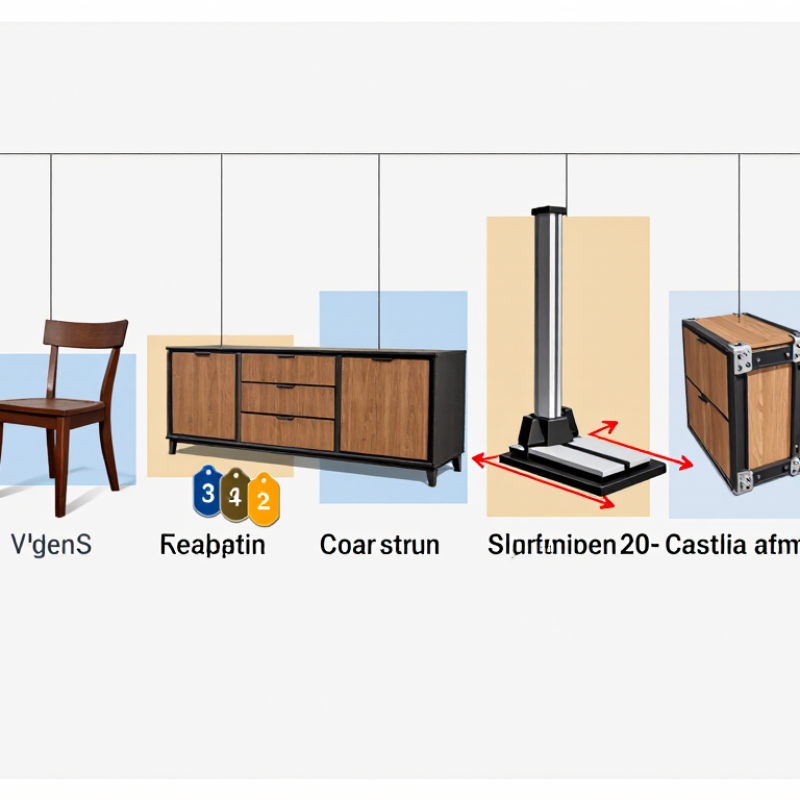
Furniture stability begins with the actual load, not the number printed on a product label. Weight limits usually describe evenly distributed, static weight. A child climbing a shelf creates a sudden force. A drawer pulled fully open shifts the center of gravity. Small details matter.
The U.S. Consumer Product Safety Commission estimated 71,300 emergency-department-treated injuries from furniture, television, and appliance tip-overs between 2018 and 2022. Its data shows why stability deserves daily attention, especially in homes with children. ASTM F2057 addresses stability testing and anchoring information for clothing storage units. These requirements support safer design, but they cannot replace careful installation. Floors may slope. Fasteners may loosen. Reality is messy.
Measure the furniture footprint first. A wider base usually resists sideways movement better. Keep heavy objects on lower shelves, and avoid placing dense items near the front edge. Check the manufacturer’s stated capacity for each shelf, drawer, or seat. Do not assume the total cabinet rating applies everywhere. For tall storage, secure the frame to a suitable wall structure using compatible hardware. Pull each drawer gently and watch for rocking, twisting, or lifting feet. Stop there.
I have found that stability checks are often skipped after moving furniture. That is a mistake I still make occasionally. Recheck connections after several weeks, especially on uneven flooring. A strong-looking cabinet can still fail when weight and motion combine.
| Tip | Furniture Type | Typical Static Load Planning Range | Main Stability Concern | Recommended Check | Best Safety Action |
|---|---|---|---|---|---|
| 1 | Bookshelf or Storage Unit | Approximately 15–35 kg per shelf, depending on shelf span, material, and support spacing | Forward tipping caused by top-heavy or unevenly distributed contents | Check shelf deflection, loose joints, level flooring, and the position of heavy items | Place heavy objects on lower shelves and secure tall units to a suitable wall structure |
| 2 | Dining or Work Table | Approximately 75–150 kg evenly distributed across the tabletop for common household designs | Racking, leg movement, or collapse from concentrated loads at the edge | Push lightly from several directions and inspect fasteners, joints, and leg contact | Keep concentrated loads near the center and tighten structural hardware regularly |
| 3 | Chair or Dining Seat | Approximately 100–150 kg total user load for many standard chairs; designs vary considerably | Leg splay, cracked joints, and excessive stress from leaning or standing on the seat | Inspect legs, seat-to-frame fasteners, welds, and visible cracks before use | Use the chair only as intended; do not stand on it or tilt it onto two legs |
| 4 | Bed Frame | Approximately 200–350 kg total static load, including occupants and mattress, for many household frames | Center-support failure, loose side rails, and uneven load transfer to the floor | Confirm that center legs touch the floor and inspect slats, rails, and corner connections | Use every required center support and avoid jumping or applying repeated impact loads |
| 5 | Dresser or Chest of Drawers | Approximately 15–25 kg per drawer for typical domestic storage construction | Tip-over when multiple drawers are open or heavy contents are stored high | Open one drawer at a time and check whether the unit rocks or moves forward | Use anti-tip hardware and distribute heavy contents in the lowest drawers |
| 6 | TV Stand or Media Console | Approximately 25–60 kg on the top surface, subject to the stand structure and support geometry | Overturning from a narrow base, an off-center screen, or cable pulling | Ensure the screen base is fully supported and does not extend beyond the stand edge | Center the screen, manage cables safely, and anchor tall or narrow units when needed |
| 7 | Sofa or Loveseat | Approximately 250–450 kg total static load for many multi-seat frames, including occupants | Frame fatigue, leg damage, and uneven loading concentrated on one seat or arm | Check frame noise, sagging, loose legs, damaged supports, and floor contact | Keep the load within the stated seating capacity and avoid sitting or standing on the arms |
Solid wood, steel, and thick engineered panels often resist bending. Check thickness, edges, and swelling. Labels can mislead.
Press the upper frame gently from several directions. Check for rocking, tilted legs, and gaps beneath the feet. A stable result should repeat.
Watch for loose screws, separated dowels, open corners, or uneven drawer movement. Tight joints and reinforced connections are better. A quick inspection can fool you.
Test it separately on tile, wood, carpet, vinyl, and concrete. Add weight gradually. A thin card can reveal an uneven foot.
Carpet can hide movement, especially when weight shifts sideways. Test the front and back with gentle pressure. Do not jump on furniture.
Keep heavy items on lower shelves. Distribute weight across each shelf. Avoid stacking books above shoulder height.
Yes, when the instructions require it or the unit feels top-heavy. Attach it to a suitable structural point. Adhesive strips alone are unreliable.
Recheck hardware after installation, moving, or adding storage bins. Inspect after drawers are heavily filled. I once stopped too early. That was a mistake.
This Furniture Weight And Stability Guide explains how to evaluate furniture safely and confidently before use. It begins with understanding weight limits, including the difference between evenly distributed loads and concentrated pressure. The guide also highlights the importance of inspecting materials, joints, fasteners, legs, and internal supports, since strong construction is essential for long-term stability.
It further explains how weight distribution and the center of gravity affect balance, especially for tall or narrow pieces. Readers will learn how to test furniture on different floor surfaces, identify rocking or slipping, and use suitable protective pads or levelers when needed. Finally, the guide offers practical advice for choosing well-supported furniture and improving stability through proper placement, secure assembly, balanced loading, and regular inspections. These simple steps can help reduce tipping risks, protect floors, and ensure furniture remains dependable in everyday use.

 Hydra Furniture