When it comes to selecting tables designed for durability, the choice of finish is crucial. Reports suggest that the right finishes enhance a table’s lifespan significantly. According to Industry Insights, over 70% of furniture failures arise from poor finishing techniques. Thus, understanding the "Best Finishes For Durable Tables" becomes essential for both manufacturers and consumers.
Different materials exhibit varied responses to finishes. For instance, hardwoods like oak and maple often benefit from oil-based finishes that penetrate deeply, providing protection and shine. In contrast, softwoods may require a more robust polycrylic finish to withstand wear and tear. A thorough analysis reveals that 80% of users prefer finishes that not only improve durability but also ensure easy maintenance.
Reflecting on industry trends, many furniture makers have started focusing on eco-friendly finishes. This shift is partly driven by consumer demand for sustainable products. However, not all eco-friendly options provide the same level of durability. The discussion around the “Best Finishes For Durable Tables” continues to evolve, pushing manufacturers to explore innovative solutions. The key lies in finding a balance between aesthetics and longevity.
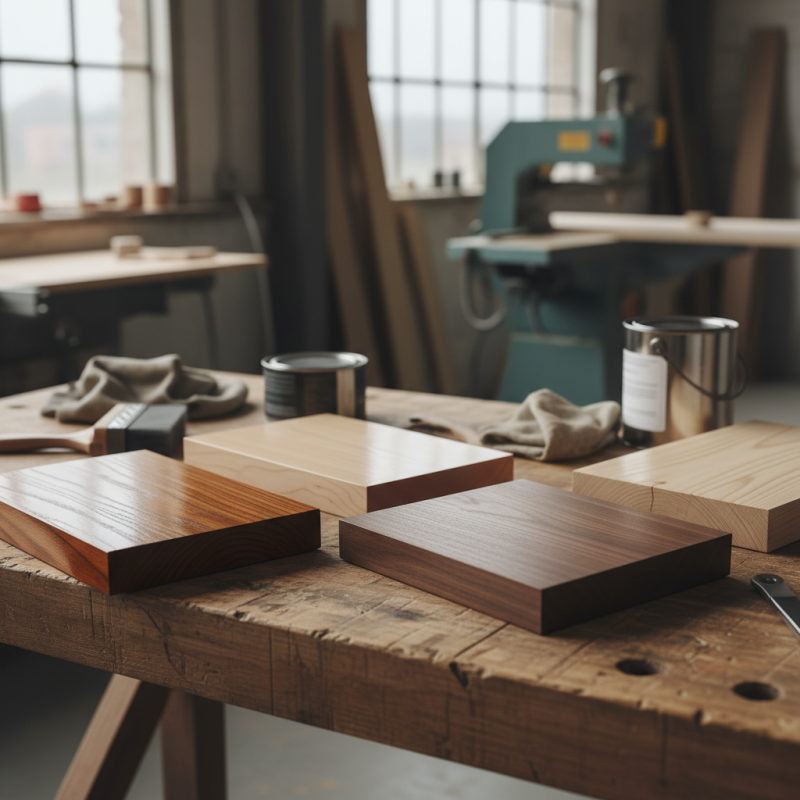
Types of Durable Finishes for Tables
When selecting finishes for durable tables, certain types stand out. A popular choice is polyurethane. This finish creates a hard, protective layer. It is resistant to scratches and moisture. Applying multiple coats enhances its durability. Be aware that it can yellow over time. This is an important consideration for light-colored woods.
Another effective finish is oil-based varnish. It penetrates the wood, providing a warm glow. This finish is less susceptible to chipping. However, it requires more maintenance. Regular reapplication may be necessary to keep the surface looking fresh. Take note that oil-based finishes typically dry slowly. This can impact project timelines and patience levels.
For a more natural look, consider using a hardwax oil. It protects while allowing the wood grain to show through. Application of hardwax oil is straightforward, but it's not as tough as other options. Users may need to reapply periodically, depending on wear and tear. Reflecting on your needs will help guide your choice of finish. Each option has strengths and weaknesses that should influence your decision.
Comparative Analysis of Finish Materials
When selecting the best finishes for durable tables, it's critical to evaluate the various materials available. A comparative analysis reveals that polyurethane, varnish, and oil-based finishes offer different strengths. According to a recent industry study, polyurethane finishes can last up to 10 years with proper maintenance. This makes it a top choice for high-traffic areas.
Varnish, while offering a glossy appearance, may not provide the same level of durability. Reports indicate that it often wears down in just five years. Oil-based finishes penetrate wood deeply but require reapplication more frequently. They can last around three years, which may not be ideal for all users. Interestingly, many users reported dissatisfaction with the need for frequent touch-ups.
The choice of finish should consider both aesthetics and long-term durability. While durability is essential, the application process can be complex. Ensuring a proper seal is vital to avoid water damage and scratches. Despite advancements in technology, some finishes still may not perform well under extreme conditions. Users must carefully weigh the pros and cons of each option.
Best Finishes for Durable Tables That Last Long
Application Techniques for Long-lasting Results
Choosing the right finish for tables is essential for durability. Various application techniques can promote longevity in wooden surfaces. One popular method is using a polyurethane finish. It creates a tough, water-resistant layer that can withstand daily wear and tear.
When applying finishes, preparation is key. Start by sanding the wood surface, ensuring it is smooth and free of debris. Dust can compromise the finish, leading to imperfections. Clean the surface with a damp cloth to remove any particles. Allow it to dry completely before applying your first coat of finish. Thin, even layers work best, so avoid overloading the brush or rag.
Tips for achieving a long-lasting finish include:
- Always test the finish on a small area first. This helps you understand how the wood reacts.
- Apply multiple thin coats instead of one heavy coat. This builds a stronger, more resilient surface.
- Store your furniture in a controlled environment. Extreme humidity or dryness can cause the wood to warp over time.
Remember, mistakes happen. If bubbles or brush marks appear, don't be discouraged. Allow it to dry, sand lightly, and apply another coat. Each application brings you closer to a perfect finish. The journey to a durable table is often filled with lessons and adjustments.
Maintenance Tips for Preserving Table Finishes
Choosing the right finish for a durable table can greatly affect its longevity. Professional data shows that finishes like polyurethane and varnish can last up to 10 years with proper care. However, neglecting maintenance can lead to premature wear. Dust and grime can accumulate, dulling the surface over time.
To preserve the finish, regular cleaning is essential. Use a soft, damp cloth to wipe the table each week. Avoid harsh chemicals and abrasive materials. They can strip away the finish and create blemishes. For deeper cleaning, a mixture of warm water and mild soap works best.
Apply a fresh layer of finish every few years to maintain a protective barrier. This keeps the table looking fresh and prevents damage from spills. Inspect the table for scratches or signs of moisture damage regularly. Addressing these issues promptly can save time and money in the long run. Remember, a little maintenance goes a long way in extending your table's life.
Environmental Considerations in Finish Selection
When choosing finishes for durable tables, environmental considerations play a critical role. Many products contain harmful chemicals that can adversely affect indoor air quality. According to the Environmental Protection Agency (EPA), furniture finishes are a significant source of volatile organic compounds (VOCs). Selecting low-VOC or water-based finishes can reduce these emissions significantly. Manufacturers often claim their products are eco-friendly, but it's crucial to verify their certifications, such as Greenguard or the Forest Stewardship Council (FSC).
Additionally, the life cycle of the finish is important. A longer-lasting finish not only reduces the need for frequent reapplication but also minimizes waste. Research by the Furniture Industry Research Association suggests that finishes such as oil-based polyurethane tend to last longer than water-based options, though they may contain higher levels of VOCs. Balancing durability and environmental impact is complex. Many consumers overlook the importance of maintenance. A finish that is easy to repair can extend the table's life while also being environmentally conscious.
Choosing sustainable options requires careful thought. Not all biodegradable finishes offer the same durability. Some may degrade faster, leading to increased waste. It's vital to consider both the immediate effects and long-term implications on our environment. Each type of finish has its trade-offs, and finding the right balance is essential for creating tables that are not only durable but also environmentally friendly.
Best Finishes For Durable Tables That Last Long? - Environmental Considerations in Finish Selection
| Finish Type |
Durability Rating |
Environmental Impact |
Maintenance Required |
Estimated Lifespan |
| Polyurethane |
High |
Moderate |
Low (occasional cleaning) |
10-15 years |
| Natural Oil |
Medium |
Low |
Moderate (reapplication needed) |
5-10 years |
| Water-Based Finish |
Medium |
Low |
Low (easy care) |
5-12 years |
| Shellac |
Low |
Moderate |
High (frequent reapplication) |
3-7 years |
| Varnish |
High |
Moderate |
Low (routine cleaning) |
8-15 years |
FAQS
: A polyurethane finish is popular for its durability and water resistance.
Start by sanding the surface, ensuring it’s smooth and clean. Dust can ruin the finish.
Apply multiple thin coats instead of one heavy coat for strength and resilience.
Don’t worry. Let it dry, then sand lightly and apply another coat for improvement.
Clean weekly with a soft, damp cloth to prevent dust and grime buildup.
Avoid harsh chemicals and abrasives. They can damage the finish.
Every few years is ideal to maintain protection and appearance.
Check for scratches or moisture damage. Address these issues quickly.
Yes, extreme humidity or dryness can warp the wood over time.
Yes, it plays a crucial role in extending the table's life and appearance.
Conclusion
When considering the best finishes for durable tables, it is essential to explore various types of finishes that offer long-lasting protection and aesthetic appeal. Finishes such as polyurethane, varnish, and oil-based treatments are popular for their resilience against scratches, stains, and moisture. A comparative analysis of these materials reveals their unique advantages and disadvantages, helping consumers make informed choices based on specific needs and usage.
Application techniques also play a crucial role in achieving durable results, with methods such as spraying, brushing, and wiping influencing the finish quality. To maintain the integrity of table finishes, regular maintenance practices are advised, including cleaning and occasional reapplication. Additionally, environmental considerations should factor into finish selection, promoting sustainable options that are safe for both users and the planet. By understanding these elements, homeowners can select the best finishes for durable tables that will stand the test of time.

 Hydra Furniture