2026 Best Furniture Buying Guide for Beginners Tips and Tricks?

Time:2026-06-01 Author:Isabella
0%

Buying furniture can be overwhelming, especially for beginners. This "Furniture Buying Guide For Beginners" aims to simplify that process. We understand how crucial it is to make informed choices. After all, furniture is not just about aesthetics; it's about comfort, durability, and functionality.

As you dive into the furniture market, you'll encounter countless options. Each piece has its unique style and purpose. You may feel tempted to choose based on looks alone. However, it’s vital to blend style with practicality. Understanding materials and construction can enhance your purchase. Learning from mistakes is part of the journey. Many first-time buyers overlook these aspects, leading to regret later.

This guide offers practical tips and tricks to steer you right. You will find insights into various styles, essential considerations, and spending wisely. Remember, every purchase shapes your living space. Reflect on your needs and preferences. Approach shopping with confidence and thoughtfulness. You deserve furniture that not only looks good but also complements your lifestyle.
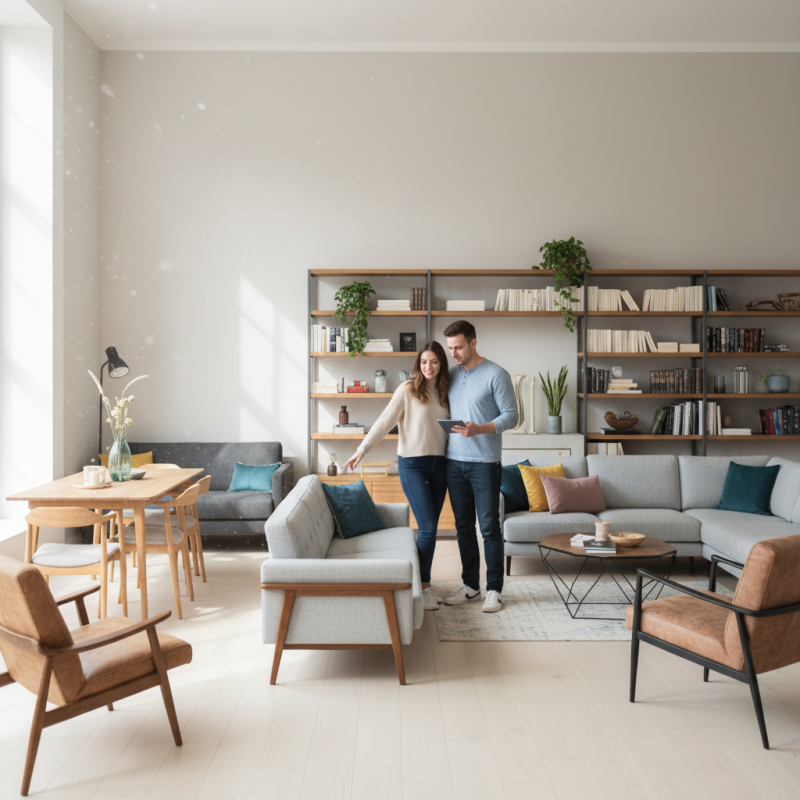
2026 Best Furniture Buying Guide for Beginners Tips and Tricks?

Essential Factors to Consider When Buying Furniture for the First Time

When buying furniture for the first time, consider your space. Measure the room carefully. Know how much furniture it can accommodate without looking cluttered. Visualize where each piece will fit. This helps check proportions and balance. Choose items that enhance the existing decor.

Think about materials. Different materials offer varying durability and aesthetics. Wood is classic and sturdy, while metal can be sleek and modern. Fabrics vary in upkeep. Softer textiles may require more maintenance. Create a list of must-haves versus nice-to-haves. This can guide you through temptations.

Design should reflect your personality. Look for styles that resonate with you. Each piece should feel like home. Avoid impulsive choices based on trends. They may not serve your long-term needs. Furniture is an investment, so reflect on its purpose in your life. Make informed decisions. Aim for a blend of comfort and style.

Understanding Different Furniture Styles and Their Suitability for Your Space

When choosing furniture, understanding various styles is crucial for enhancing your space. Modern design focuses on clean lines and minimalism. It often uses neutral colors with a splash of bold accents. According to a report by the American Institute of Architects, 40% of homeowners prefer modern styles in 2023. This preference highlights a trend towards simplicity in design.

Conversely, traditional furniture is characterized by ornate details and rich woods. It resonates with many individuals who appreciate classic aesthetics. Data from a recent interior design survey revealed that 30% of buyers opt for traditional pieces. The warm tones and intricate craftsmanship can create a cozy and inviting atmosphere.

Tips: Consider your lifestyle when selecting furniture. If you often entertain guests, durable materials are key. Selecting a style that aligns with your personality is equally important. Lastly, don't be afraid to mix styles. A piece from a different era can add character. Balancing functionality with aesthetics will create a harmonious environment.

Budgeting Tips: How to Plan Your Furniture Purchases Wisely

Creating a budget for furniture purchases can feel overwhelming. It’s essential to approach this task with a clear mindset. Begin by determining your total budget. Consider your current financial situation and any upcoming expenses. Remember, it’s easy to overspend, especially with enticing sales and promotions. Set a number that feels comfortable and stick to it.

Think about prioritizing your needs versus wants. What furniture is essential now? Focus on items you’ll use daily. For instance, a good sofa or bed is often a priority. Smaller items can wait. Track your spending on a simple spreadsheet. It’ll provide clarity and help prevent impulse buys. Regularly updating your budget can also indicate if you're straying from your initial plan.

Reflect on your choices. Are you drawn to trends rather than practical pieces? It’s tempting to chase the latest styles. However, timeless designs often prove more reliable in the long run. Embrace the idea that furniture is an investment. Quality pieces may cost more upfront but save money over time through durability. Overall, stay mindful of your goals and your budget.

Key Materials and Finishes to Look for in Quality Furniture

When selecting quality furniture, materials and finishes play a vital role. Solid wood is a dependable choice. It’s durable and gives a timeless look. Plywood is an alternative that’s often lighter but can offer decent strength. Be cautious with particle board, as it may not hold up over time.

Look for textiles that are high in durability. Fabrics such as leather and polyester resist wear and tear. They are easier to clean and maintain. A colorful, patterned fabric can add character. Be mindful, though; lighter fabrics show dirt quickly.

Tips: Always inspect furniture in person. Check for smooth finishes and sturdy joint construction. Avoid furniture with sharp edges, especially if you have little ones. Make your choices based on lifestyle needs. Don’t rush; sometimes, what looks good may lack quality. Each piece must fit into your life, not just your aesthetic.

2026 Best Furniture Buying Guide for Beginners Tips and Tricks

Material Durability Maintenance Cost Range Sustainability
Hardwood High Low to Moderate $800 - $3000 Yes
Plywood Moderate Low $300 - $1200 Yes
Metal High Moderate $200 - $1500 Yes
Plastic Low Low $50 - $500 No
Faux Leather Moderate Low $100 - $800 No

Common Mistakes to Avoid When Furnishing Your Home for the First Time

Furnishing your home can be overwhelming, especially for beginners. Many make common mistakes that can lead to regret. One big pitfall is rushing the process. It’s tempting to buy everything at once. Instead, take time to plan each space. Consider how you’ll use each room. Sketch a layout before shopping. This will help avoid buying furniture that doesn’t fit.

Another frequent error is ignoring scale and proportion. Large furniture in a small room makes it feel cramped. Conversely, tiny pieces can get lost in spacious areas. Measure your space thoroughly. Understanding proportions ensures that everything looks balanced and harmonious. Keeping an eye on materials is equally important. Choosing low-quality items may save money initially, but they won't last. Investing in durable, well-made pieces pays off in the long run.

Finally, many overlook personal style. It’s easy to get swayed by trends. Yet, your home should reflect who you are. Collect items that speak to you, even if they don’t match perfectly. A mix of styles can create character and warmth. Don’t be afraid to experiment with colors and textures. It’s okay to make mistakes along the way; each choice teaches you something valuable about your own aesthetic.

Common Mistakes to Avoid When Furnishing Your Home for the First Time

FAQS

: What should I consider when measuring my room for furniture?

: Measure carefully. Know how much furniture fits. Visualize where each piece goes to ensure balance.

How important are materials in furniture selection?

Materials affect durability and appearance. Solid wood is classic. Fabrics vary in maintenance needs.

What are some must-haves when buying furniture?

Create a list of must-haves versus nice-to-haves. This helps resist temptations while shopping.

How can I reflect my personality in my furniture choices?

Choose styles that resonate with you. Each piece should feel homely and reflect your personal taste.

What common mistakes do first-time buyers make?

Rushing to buy everything can lead to regret. Take time to plan each room carefully instead.

Why is scale important when choosing furniture?

Large furniture in small spaces feels cramped. Tiny pieces in large rooms look lost. Measure for balance.

How can I avoid low-quality furniture?

Inspect furniture in person. Check materials and finishes. Don't rush; good quality often pays off in the end.

Is it okay to mix different styles of furniture?

Yes, mix styles to create character. Your home should reflect who you are, even if it feels imperfect.

What maintenance should I expect from different fabrics?

Softer textiles may need more care. Lighter colors show dirt quickly, while durable fabrics like leather last longer.

How can mistakes improve my furniture choices?

Each mistake teaches you about your style. Embrace the journey; it helps you refine your aesthetic.

Conclusion

The "Furniture Buying Guide for Beginners" provides essential advice for first-time furniture shoppers. It emphasizes key factors to consider, such as understanding different furniture styles, which can help in choosing pieces that fit your space and personal taste. Additionally, it covers budgeting tips to ensure that you plan your furniture purchases wisely, preventing overspending.

Moreover, the guide highlights important materials and finishes to look for to ensure quality and durability in your selections. It also points out common mistakes that novices often make, providing insights to help you avoid pitfalls in furnishing your home. Overall, this guide serves as an invaluable resource for those embarking on their furniture shopping journey.

Isabella

Isabella

Isabella is a dedicated marketing professional with a sharp focus on driving brand growth and engagement through strategic content creation. With an extensive background in digital marketing, she combines her passion for storytelling with her keen understanding of industry trends to deliver......